STARTING NOW:
The Hub for Human Impact and Ambition at LJCDS
NOVEMBER 6, 2026
Colleen O’Boyle, Associate Head of School
Why would a school wait a decade to prepare students for the world they will inherit? What if students began asking what their talent is for while they’re still discovering it? At LJCDS, that work begins through the Hub for Human Impact and grows across a student’s entire time with us.
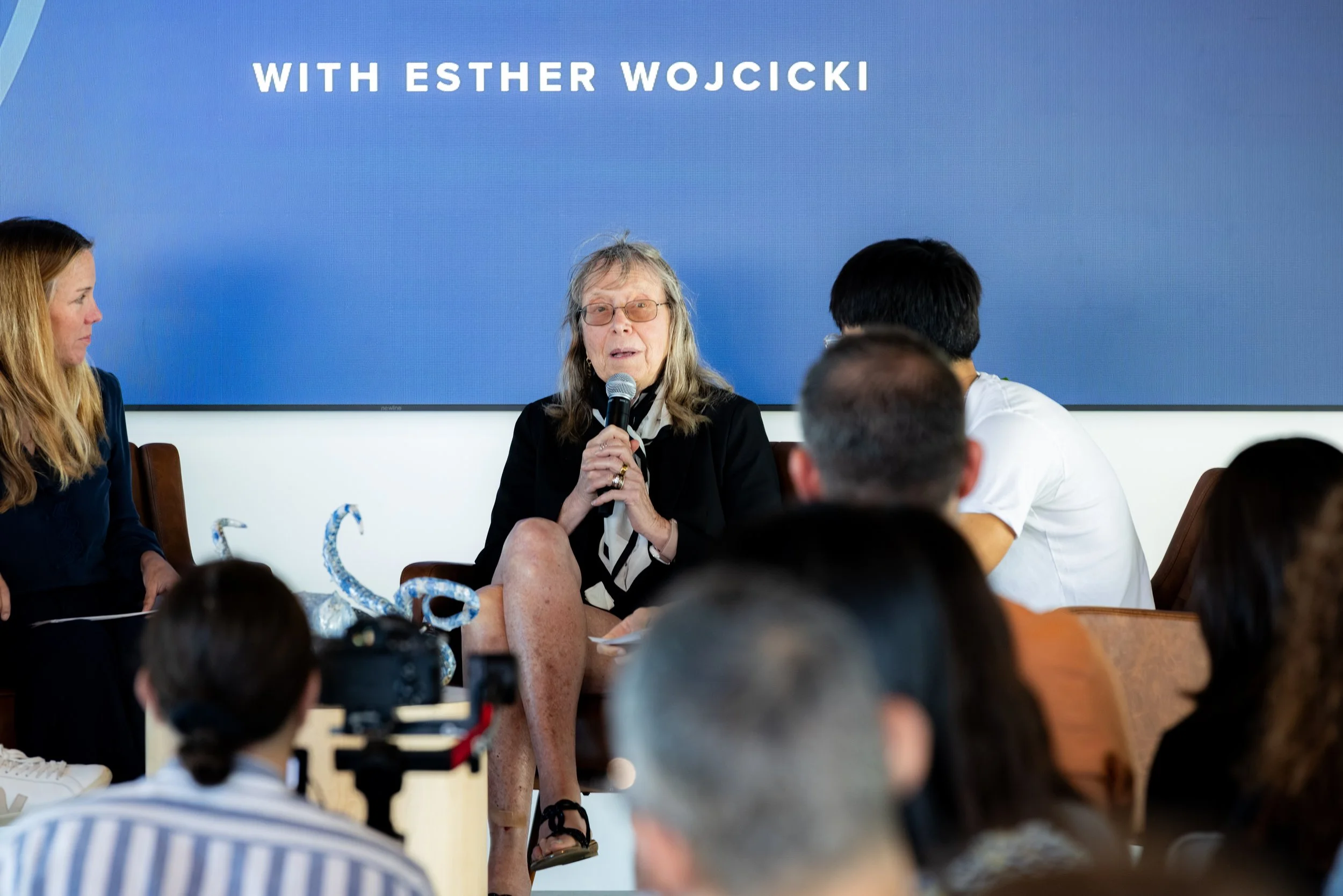
Ask a group of students what they want to do with their lives and you’ll get varied answers. Some are certain, and some reflect what students think they’re supposed to say. Ask them which problem they want to solve, and the room gets quieter. That second question is the one Dutch historian Rutger Bregman wants us all to take seriously.
In Moral Ambition: Stop Wasting Your Talent and Start Making a Difference (published in Dutch in 2024 and in English in 2025), Bregman argues that we are misallocating talent on a civilizational scale. Many of the world’s most capable people do demanding, well-paid work, while some of the biggest problems facing young people and our planet remain understaffed.
This isn’t a knock on particular careers. Bregman’s question isn’t which field you enter but what you aim your talent at once you’re there. Many of the people he admires are artists, lawyers, entrepreneurs, and scientists who pointed their skills at problems that mattered. He isn’t asking anyone to be less ambitious. He’s asking us to rehabilitate ambition.
He explains this with a simple grid. Ambition without ideals makes careerists. Ideals without ambition make people who care deeply but change little. Moral ambition combines the two, turning awareness into action. That’s what we want for our students: a strong sense of right and wrong, and the drive to act on it.
“Impact rarely arrives all at once. It grows through deliberate practice, thoughtful design, and purpose.”
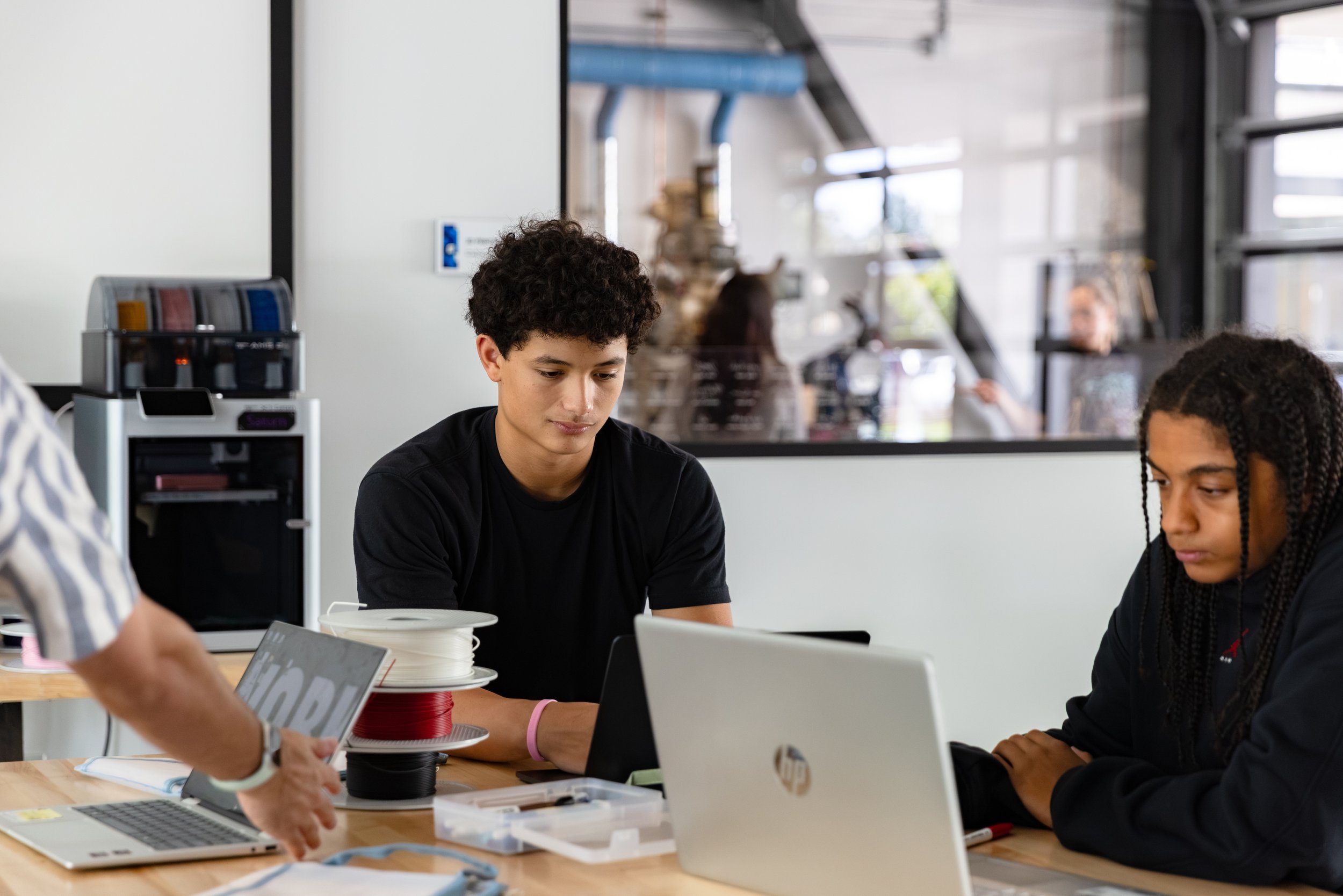
Our students face pressure to be good at everything, find a passion, excel at it, and show it all on a college application. The harder question is how any of it shapes who they become. At the Hub for Human Impact, students and teachers work together to identify problems in our school, community, region, and wider world. They choose problems that are big, often overlooked, and hopefully solvable one day. Impact rarely arrives all at once. It grows through deliberate practice, thoughtful design, and purpose.
That work starts in the early grades. Young students design their own cities while learning the basics of urban planning, build robots, and launch weather balloons carrying their own experiments, exploring questions NASA scientists study. They write and perform student-run plays and exhibit their art publicly for critique and dialogue.



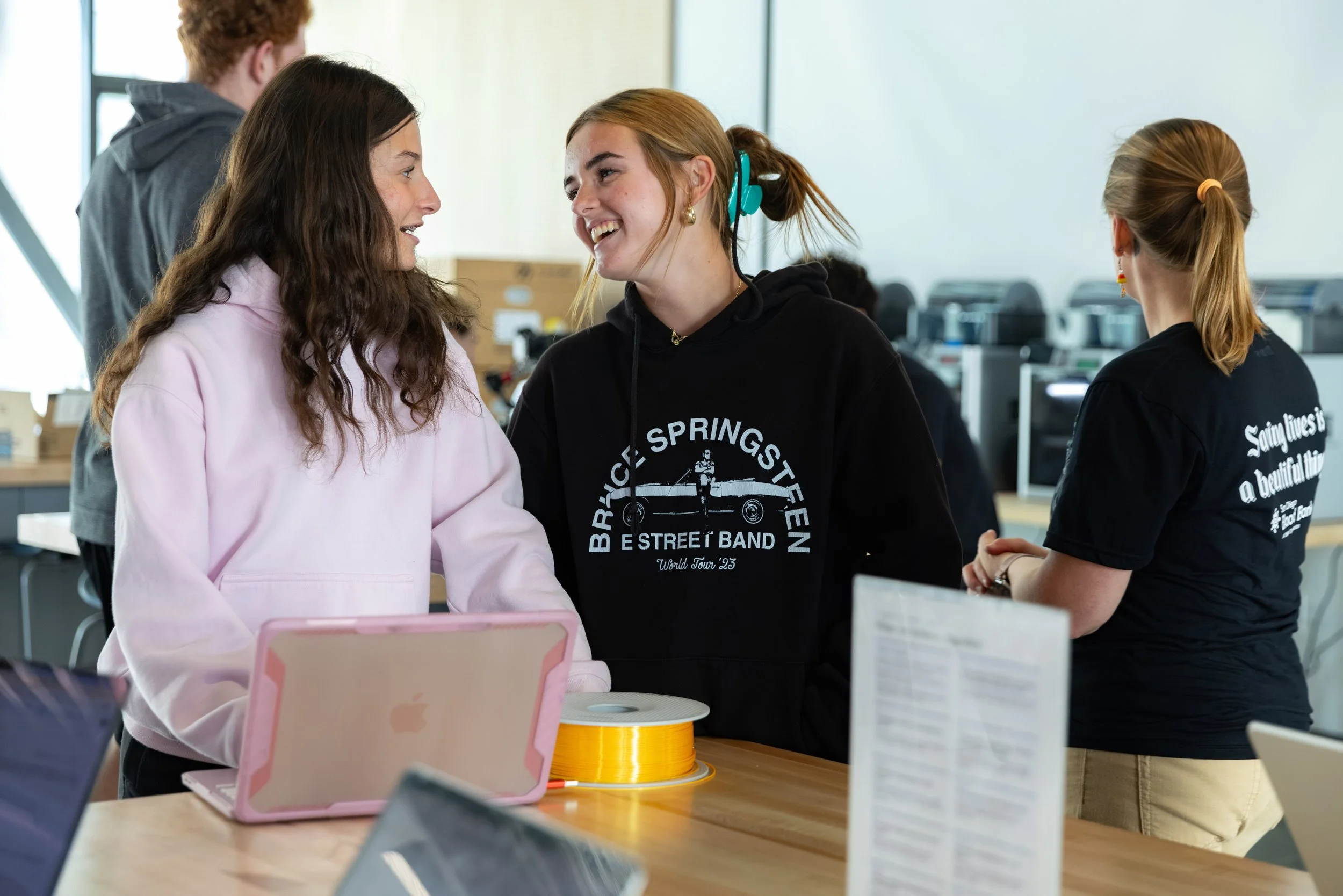

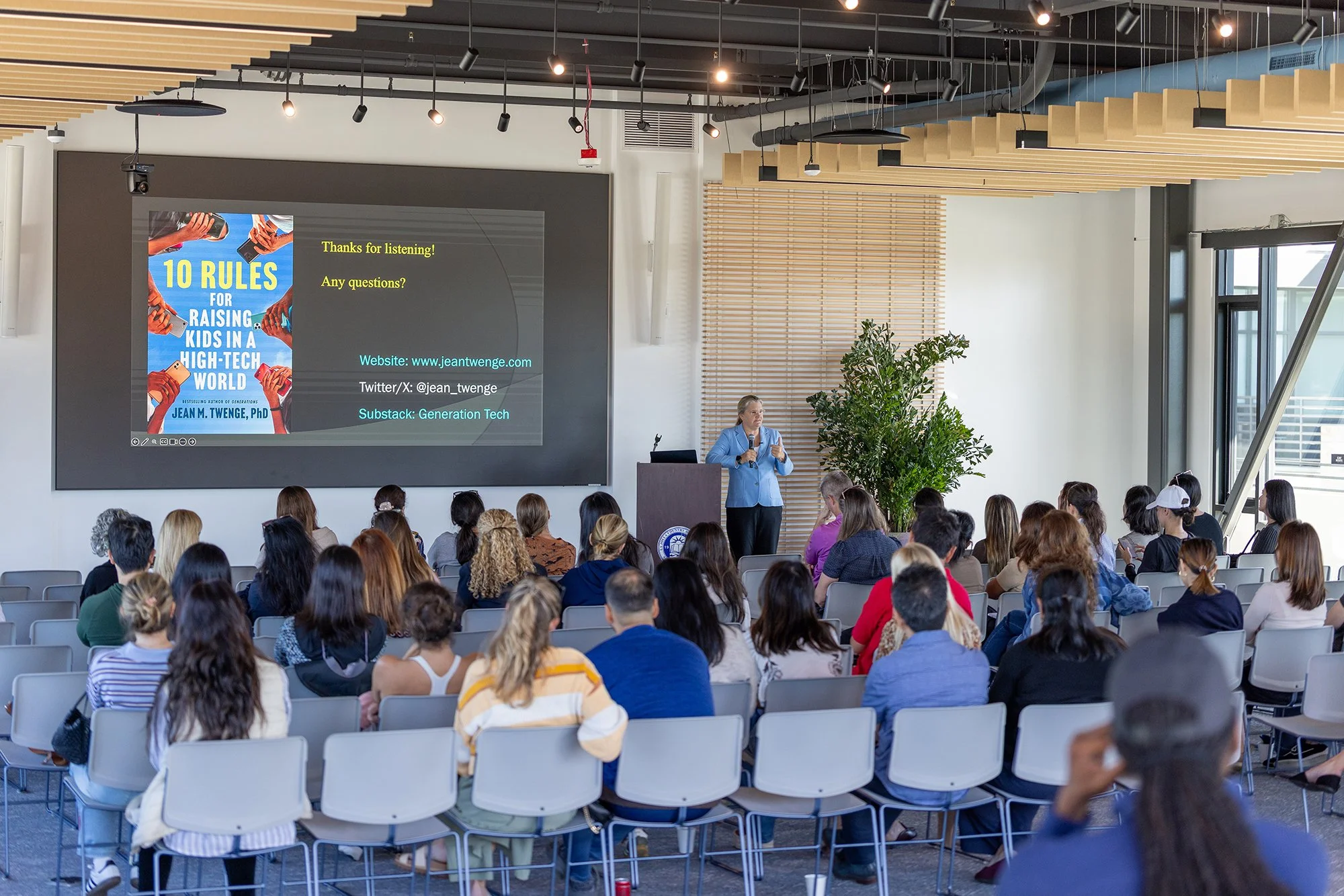
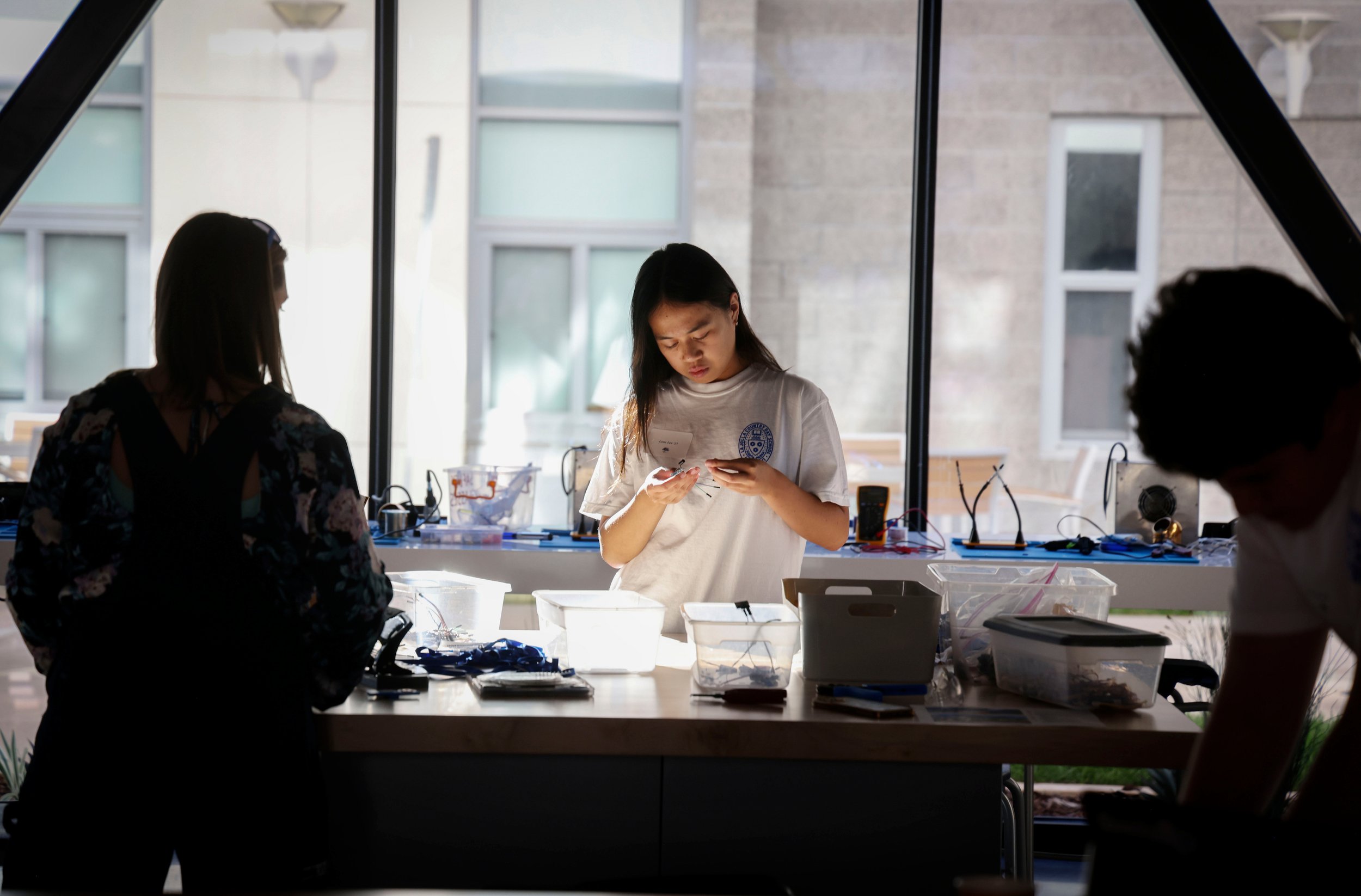
As students grow, their work reaches further. They partner with nonprofits through our global programs and tackle homelessness through service and design. They take on questions lawyers and the United Nations face, from global health to tax policy to inclusion and belonging. Many spend summers doing research in university labs. And they lead conversations on hard topics many adults avoid, because they know their future depends on it.
So we return to the question that quiets a room: Which problem do you want to solve? At LJCDS, we expect even our youngest students to have answers. A five-year-old designing a city has ideas about who needs a park and where the hospital should go. A seventh grader building a robot has theories worth testing. Their answers may not be fully formed, but they are real, and we take them seriously. Over the years, those answers will sharpen and deepen, but the habit of having one starts here.
Bregman worries about talent that never asks what it’s for. We want LJCDS graduates who know what they’re good at and what that talent is for. We want them to have the conscience to see what needs fixing and the ambition to go fix it. The world they’re inheriting won’t wait a decade for them to be ready, and neither will we. The work begins in our classrooms, labs, studios, and on our stages and fields, and it’s starting now.